Your biopharma team
Bring in a team foryour next decision.
Quinn is a team you engage for work across discovery, development, portfolio and commercial strategy. Quinn conducts research, analyzes data, builds models and designs molecules and studies. You receive a comprehensive report and the underlying work, with the evidence, methods and assumptions made clear.
Results in 3–5 days after you approve the work.
TQC3721 in COPD
Population, formulation and the next study.
Keep two populations open.
Public evidence left two patient populations open. A prospective study was still needed.
Trial context · Options · Evidence gaps
- Population & trial context01
- Formulation considerations02
- Evidence gaps & next study03
Analyses · Figures · Sources
Trusted by teams at




Stanford spinout · Backed by Y Combinator
Your IP stays yours.
No training on your project data.
From discovery to commercialization
Explore capabilitiesPortfolio, licensing and investment decisions span every stage.
From targets and trials
to portfolio decisions.
Some decisions cross disciplines. Quinn brings the relevant science, data and strategic context into one piece of work.
Which target or molecule should we pursue?
Target assessment, data analysis, and computational molecule and protein design.
DevelopmentWhat should the next stage of development look like?
Biomarkers, patient populations, dose strategy, trial design and analysis.
Safety, CMC & regulatoryWhat could hold this program back?
Safety assessments, regulatory strategy, manufacturing constraints and supply options.
Portfolio strategyWhich programs should we prioritize?
Portfolio prioritization, valuation scenarios and the trade-offs behind resource allocation.
Licensing & partneringShould we license or acquire this asset?
Scientific and commercial due diligence for licensing, acquisition and partnership decisions.
Commercial & medical strategyWhere should this product compete?
Positioning, pricing and market access, launch strategy and the evidence to support them.
These are starting points. Tell us what your team needs to figure out.
See the range of workWhere should TQC3721 compete in COPD?
Similar headline results can hide different development questions. Quinn examined the trial context, population options and formulation choices for TQC3721 in COPD.
Keep two populations open.
Patients on dual bronchodilators and patients on triple therapy both remained candidates. Quinn outlined a prospective study to resolve the choice; a complete study design and new evidence were still needed.
Independent assessment · Public evidence reviewed through August 2026
Similar estimates.
Different trial contexts.
Average 12-hour FEV₁ gain versus placebo.
87 mL
87 mL
94 mL
Gain versus each trial’s placebo group (mL)
The context matters. PACER-II included dual bronchodilators. ENHANCE excluded dual and triple therapy. Timing and treatment context differ; these estimates do not establish equivalence.
He et al., CHEST 2026 ↗Anzueto et al., AJRCCM 2023 ↗
FEV₁: air exhaled in the first second of a forced breath. CI: confidence interval.
A clear plan. The complete work.
A Quinn run covers one complete piece of work, from what you need to figure out to the finished report and supporting analyses.
Describe your work.
Tell us what your team is working on and what you need to figure out. A few sentences are enough.
Review the plan.
Review the proposed scope and deliverables. Ask for any changes before the work begins.
Receive your report.
Your report and supporting work arrive in 3–5 days after you approve the work. Discuss the findings, their implications and what comes next.
A comprehensive report.
The work behind it.
Executive summary
The main findings, recommendations and next steps, with the important uncertainties made clear.
Detailed assessment
A section for each part of the work: the options, comparisons, risks and implications, with the figures, tables and evidence behind them.
Supporting work
The analyses, models, computational designs and reproducible code relevant to the work, with the sources, methods and assumptions your team can examine.
Grounded in science.
Focused on your work.
Founded by Daniel Gomari and Michael Snyder, bringing together computational biology, multi-omics and research at Stanford.
Meet the founders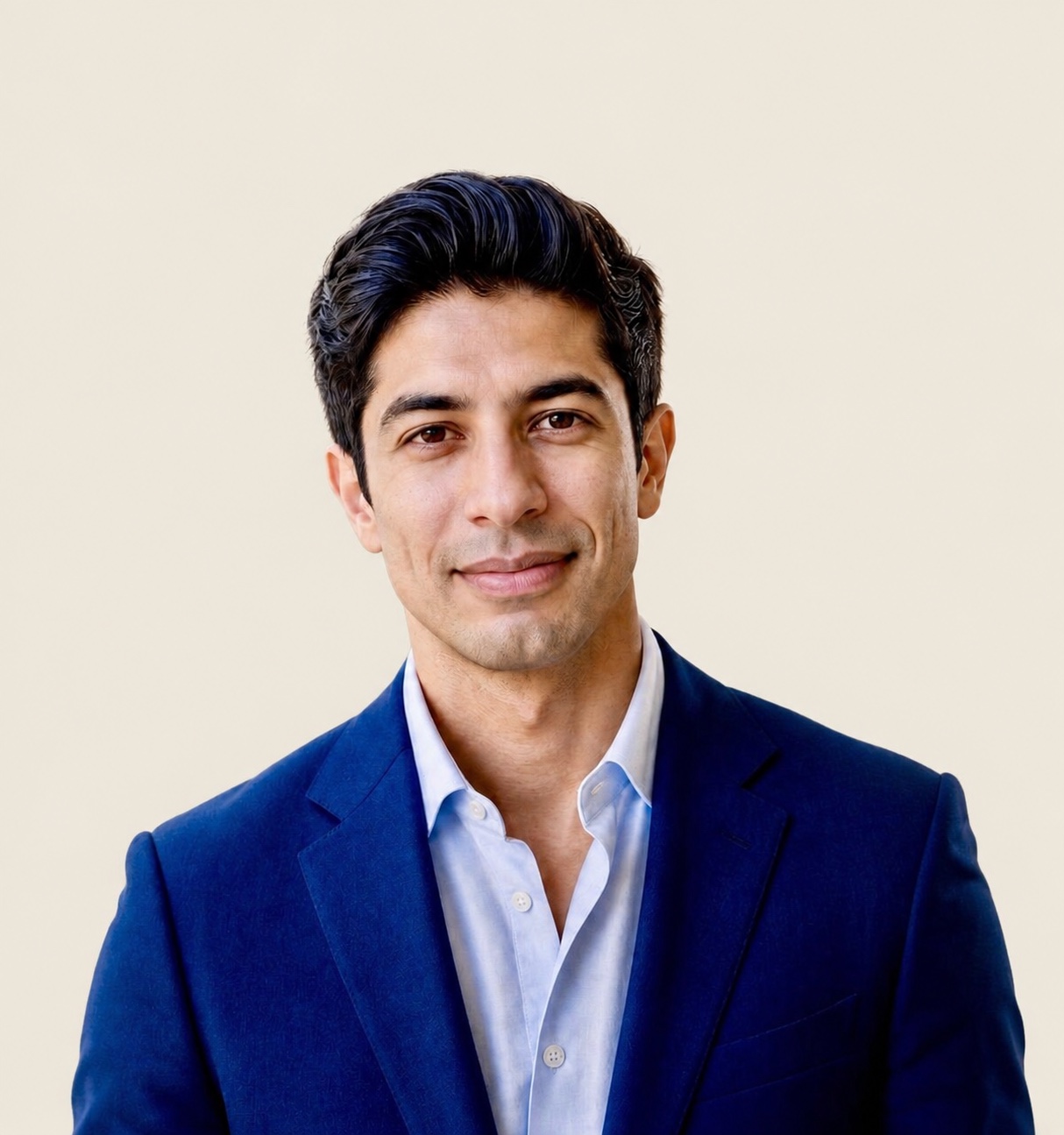
Daniel Gomari, PhD
Co-founder & CEO
Computational biology & multi-omics
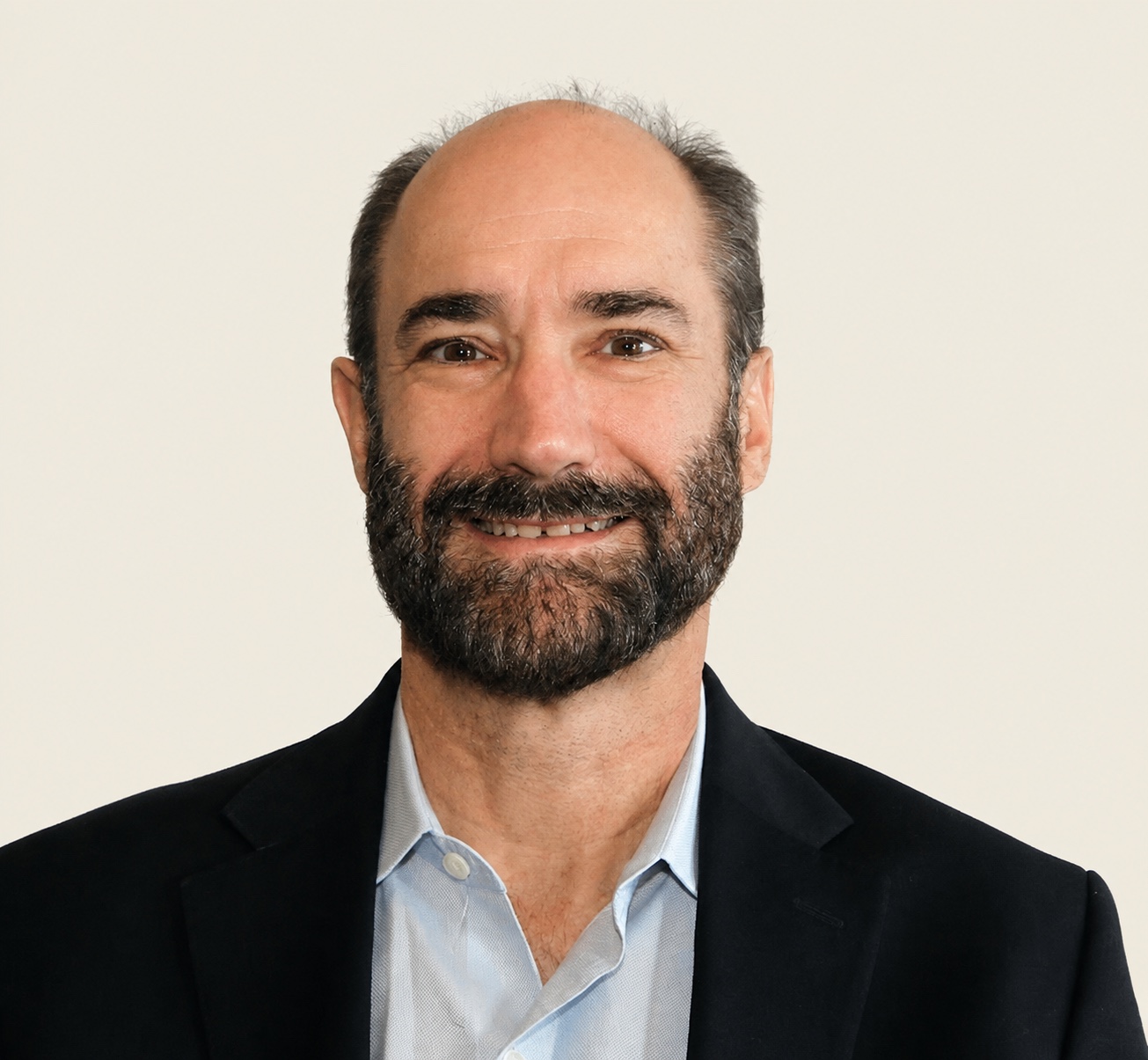
Michael Snyder, PhD
Co-founder
Professor of Genetics, Stanford University
What is your team trying to figure out?
Tell us what you’re working on and what you need to figure out. A few sentences are enough to start.
team@quinnbio.com